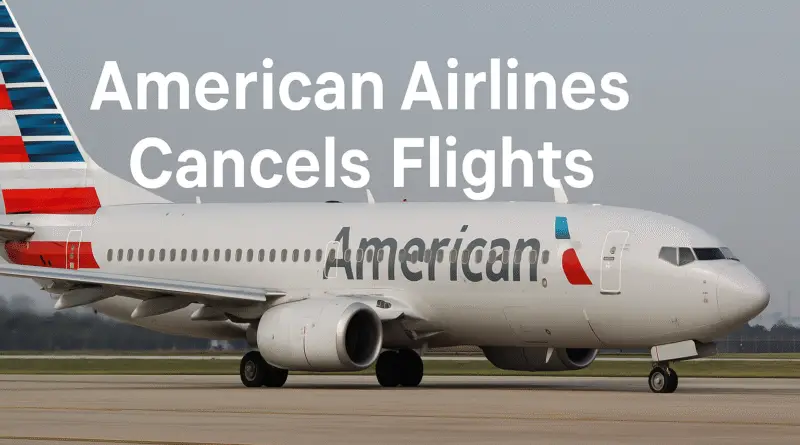
American Airlines Cancels Flights & Handles Emergency Evacuation
Introduction
American Airlines has thrown another curveball at travelers—canceling hundreds of flights in August while simultaneously dealing with a dramatic emergency evacuation at Denver International Airport. What does this turbulence mean for passengers and the airline industry?
Flight Cancellations in August
Earlier this week, American announced it will cut approximately 800 flights in August—mostly out of Chicago O’Hare—eliminating around 76,000 seats across domestic routes :contentReference[0]turn0search0. It later confirmed the cuts stem from operational shifts, labor disputes, and waning leisure travel demand following months of poor bookings and economic uncertainty
Although rumors swirled about broader schedule slashes, AA denied making new \(recent\) reductions to its August roster, which it described as a continuation of existing adjustments, not a sudden overhaul
Underlying Causes
Travel insiders point to multiple factors: staffing bottlenecks, reduced slot allocations at congested hubs like O’Hare, and lingering pandemic-era restructuring. Gate disputes with local airports may also be fueling ongoing route cuts
Despite the cancellations, the airline continues normal operations on roughly 6,700 daily flights, or planeloads of business and premium passenger segments that remain resilient
Emergency in Denver: Evacuation Drama
On July 26, Flight 3023 from Denver to Miami jolted passengers with a loud boom just before takeoff. Moments later, a tire issue triggered a brake fire and thick smoke under the left landing gear. All 173 passengers and six crew members evacuated safely via slides
The Denver Fire Department extinguished the flames quickly. Five passengers were treated on-site and one was taken to a hospital for minor injuries. FAA is now investigating, and the aircraft was pulled from service for inspection
Why It Matters
These incidents reflect broader safety and operational concerns. U.S. aviation is still grappling with controller shortages, aging infrastructure, and a transition from pandemic-era chaos to post-pandemic normalcy :contentReference[0]turn0news44. Airlines filed for relaxed slot requirements at major New York-area airports through 2026 to manage staffing gaps without losing gate access
Meanwhile, disconnects in crew and gate coordination have caused ripples nationwide—making airlines responsible for rebooking passengers after cancellations, but travelers often feel stranded
Passenger Impact & Advice
- Expect disruptions if your itinerary includes Chicago hubs either for departure or connection in August.
- After a cancellation, AA should rebook passengers on the next available flight—check fares, lodging, or meal policies if delays stretch long :contentReference[0]turn0search2.
- In emergencies (like the Denver evacuation), know your rights: request medical status updates, and keep receipts if redirected or delayed.
- Always monitor gate announcements and flight updates via official apps—some tech outages have compounded delays recently
Outlook for 2025
Industry analysts expect American Airlines to continue trimming low-demand routes while reinforcing areas with steady business traffic. CEO Robert Isom has signaled more caution, citing declining domestic leisure travel and risk from tariff policies that dampen consumer confidence
Despite today’s turbulence, the airline hopes demand will return—especially as global travel resumes. Still, repeated disruptions raise questions about infrastructure resilience and long-term reliability in U.S. aviation.
Conclusion
American Airlines finds itself balancing cost control with service integrity—canceling flights where demand or infrastructure falters, and managing unexpected emergencies in real-time. For travelers, being flexible and informed is key. For airlines, better communication and faster recovery may define long-term trust.