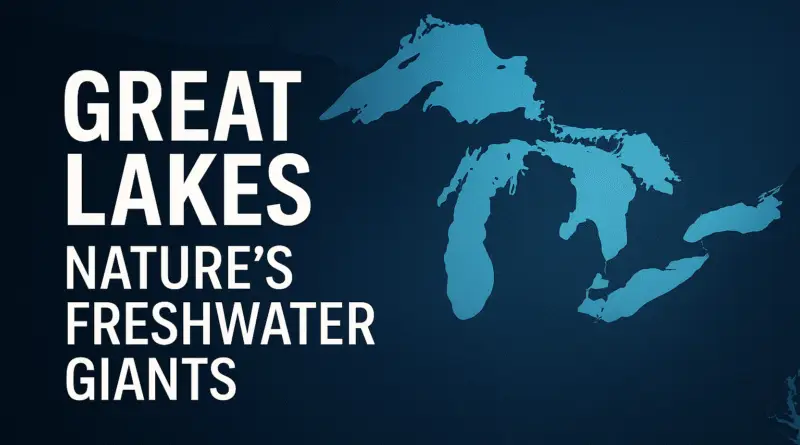
Great Lakes: Nature’s Freshwater Giants
Great Lakes: Nature’s Freshwater Giants
The Great Lakes are one of North America’s most stunning natural wonders. Stretching across the U.S.-Canada border, these five freshwater lakes have shaped the history, economy, and ecology of the region for centuries. From the beauty of Lake Superior’s rocky shores to the bustling cities along Lake Michigan, the Great Lakes are both awe-inspiring and essential to millions of lives.
What Are the Great Lakes?
The term “Great Lakes” refers to five massive freshwater lakes located in the northeastern part of North America. These lakes include:
- Lake Superior – The largest and deepest of the five.
- Lake Michigan – The only one entirely within the United States.
- Lake Huron – Known for its stunning shoreline and islands.
- Lake Erie – The shallowest, making it the warmest in summer.
- Lake Ontario – Connects to the Atlantic Ocean via the St. Lawrence River.
Together, they form the largest group of freshwater lakes in the world by total area and volume, containing about 84% of North America’s fresh surface water.
The History Behind the Great Lakes
The Great Lakes were formed over 10,000 years ago at the end of the last Ice Age. As massive glaciers melted, they carved out basins that filled with freshwater. Indigenous peoples lived along the shores for thousands of years, relying on the lakes for food, transportation, and trade.
Later, during European colonization and the Industrial Revolution, the Great Lakes became major trade routes. Cities like Chicago, Detroit, Cleveland, and Toronto rose along their shores. The lakes played a vital role in shipping, commerce, and the movement of people.
Why Are the Great Lakes So Important?
The Great Lakes are more than just a scenic destination. They are critical to the environment, economy, and people of both the United States and Canada. Here’s why they matter:
1. Freshwater Supply
Approximately 40 million people rely on the Great Lakes for drinking water. With increasing water scarcity across the globe, protecting this source of freshwater is more important than ever.
2. Economic Engine
The Great Lakes region supports a diverse economy, from manufacturing and agriculture to shipping and tourism. The shipping industry alone moves over 160 million tons of cargo each year through the Great Lakes-St. Lawrence Seaway system.
3. Environmental Richness
The Great Lakes are home to over 3,500 species of plants and animals, many of which are found nowhere else. Wetlands, forests, and dunes along the lakes provide essential habitats for wildlife.
Ecological Challenges
Despite their vastness, the Great Lakes face numerous environmental threats. These include:
- Pollution from agriculture, industry, and urban areas.
- Invasive species like zebra mussels and Asian carp.
- Climate change causing fluctuating water levels and warmer temperatures.
Efforts are ongoing to combat these challenges through conservation initiatives, binational agreements, and stricter pollution regulations. In contrast to the past, today’s strategies emphasize sustainability and ecosystem restoration.
Traveling to the Great Lakes
Each lake offers unique attractions and landscapes. Whether you’re into boating, fishing, hiking, or simply relaxing by the water, there’s something for everyone.
Lake Superior
Visit Pictured Rocks National Lakeshore in Michigan or enjoy the rugged beauty of Minnesota’s North Shore.
Lake Michigan
Explore Chicago’s skyline by boat, or relax on the sandy dunes of Sleeping Bear Dunes National Lakeshore.
Lake Huron
Don’t miss the scenic Bruce Peninsula in Ontario, known for its crystal-clear waters and limestone cliffs.
Lake Erie
Enjoy summer fun on Ohio’s Put-in-Bay or visit Erie, Pennsylvania, for family-friendly activities.
Lake Ontario
Toronto’s waterfront offers world-class dining and entertainment, while the Thousand Islands region is a hidden gem for boaters and history lovers.
Fun Facts About the Great Lakes
- Lake Superior holds more water than the other four Great Lakes combined.
- The Great Lakes shoreline is longer than the Atlantic and Pacific coasts of the U.S. combined.
- Storms on Lake Erie can whip up waves over 25 feet high.
- Lake Michigan’s sand dunes are the largest freshwater dunes in the world.
How to Protect the Great Lakes
Protecting these vital resources requires collective effort. Here are a few ways individuals can help:
- Use eco-friendly products and avoid dumping waste in waterways.
- Participate in local cleanup efforts or support Great Lakes conservation organizations.
- Practice sustainable boating and fishing habits.
- Stay informed and advocate for environmental policies that protect freshwater ecosystems.
Conclusion
The Great Lakes are more than just massive bodies of water—they are living, breathing ecosystems that connect communities, support economies, and hold untold natural beauty. Whether you’re visiting for the first time or live nearby, it’s worth taking a moment to appreciate all that these freshwater giants offer—and to do your part in preserving them for generations to come.
Frequently Asked Questions (FAQs)
1. What is the cleanest Great Lake?
Lake Superior is generally considered the cleanest and clearest of the Great Lakes, thanks to its depth, size, and lower population density around its shores.
2. Can you swim in the Great Lakes?
Yes, all five Great Lakes have designated beaches and are safe for swimming during the warmer months. Always check local advisories for water quality before swimming.
3. Are the Great Lakes saltwater or freshwater?
The Great Lakes are entirely freshwater. They represent the largest group of freshwater lakes by surface area in the world.